
How to Improve Seed Germination for a Better Start

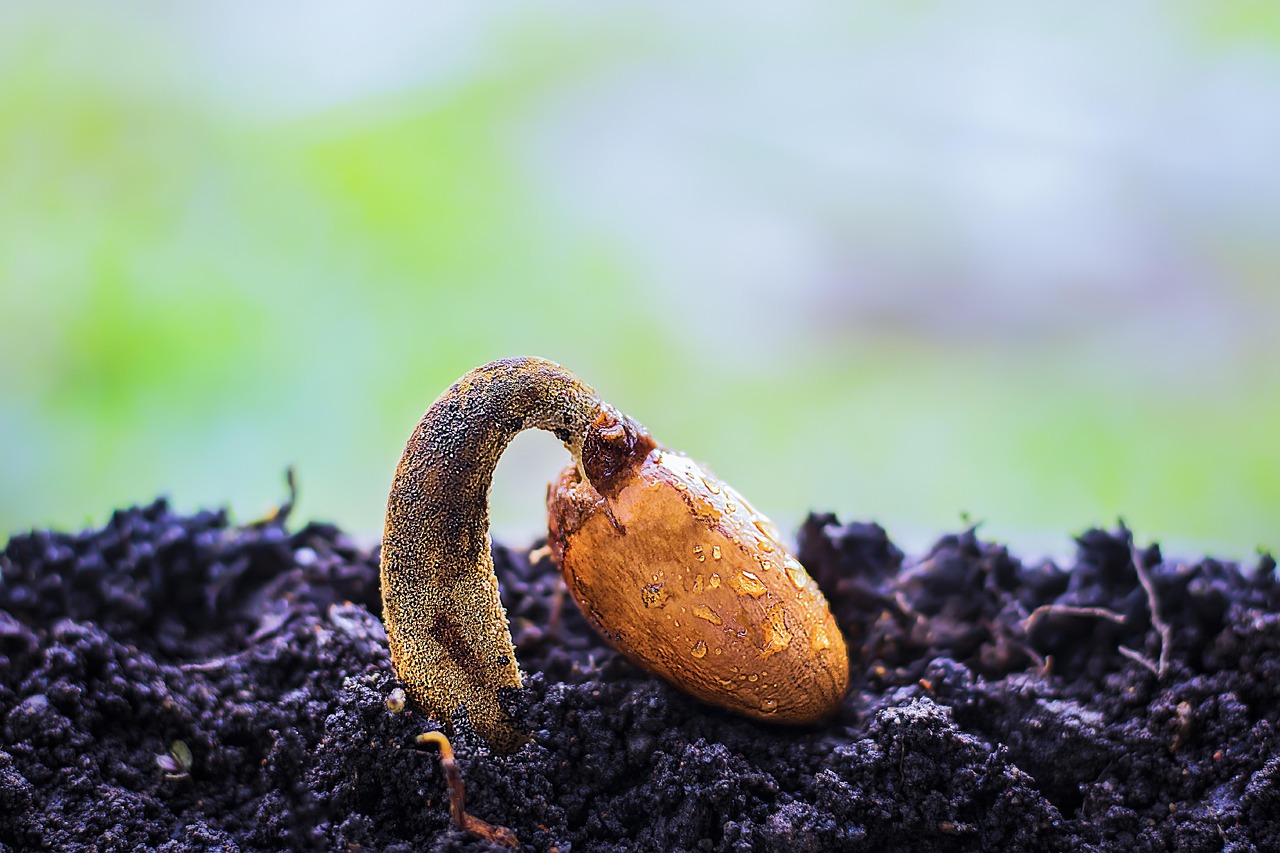
Give your seeds the best start
Even good seeds need the right conditions to sprout well. A few simple steps dramatically improve germination — meaning more seedlings and a better garden. Here’s how.
Start with fresh, quality seeds
Germination begins with the seed itself. Fresh seeds with a high tested germination rate sprout far better than old, low-quality stock. It’s the foundation of good results.
Sow at the right depth
Sowing too deep or too shallow hurts germination. Follow the packet’s depth guidance (a rough rule: about twice the seed’s diameter). Tiny seeds need only a light covering.
Keep the soil consistently moist
Seeds need steady moisture to sprout — not soggy, not dry. Water gently and keep the soil evenly moist until seedlings appear. Letting it dry out is a common cause of failure.
Provide the right warmth
Most vegetable seeds germinate best in warmth. Sow in the right season, and keep trays somewhere warm. Too cold (or scorching) slows or stops germination.
Use a good seed-starting mix
A light, well-draining seed-starting mix gives roots an easy start and holds moisture without going waterlogged. Heavy, compacted soil makes it harder for seeds to push through.
Pre-soak hard seeds (where helpful)
Some larger or harder seeds (like beans, peas, and some gourds) sprout faster if soaked in water for a few hours before sowing. Check what suits each type.
Don’t overwater or overcrowd
- Overwatering can rot seeds — keep it moist, not flooded.
- Overcrowding leads to weak seedlings — sow with some spacing.
Be patient
Different vegetables sprout at different speeds — some in days, others a couple of weeks. Keep conditions right and give them time.
Protect young seedlings
Once up, give seedlings good light, gentle watering, and protection from harsh sun and pests, so they grow strong and ready to transplant.
Find fresh, high-germination vegetable seeds at marivellecourtyard.shop — delivered free across India, with 7-day returns on sealed packets.